Table of Contents
Table of Contents
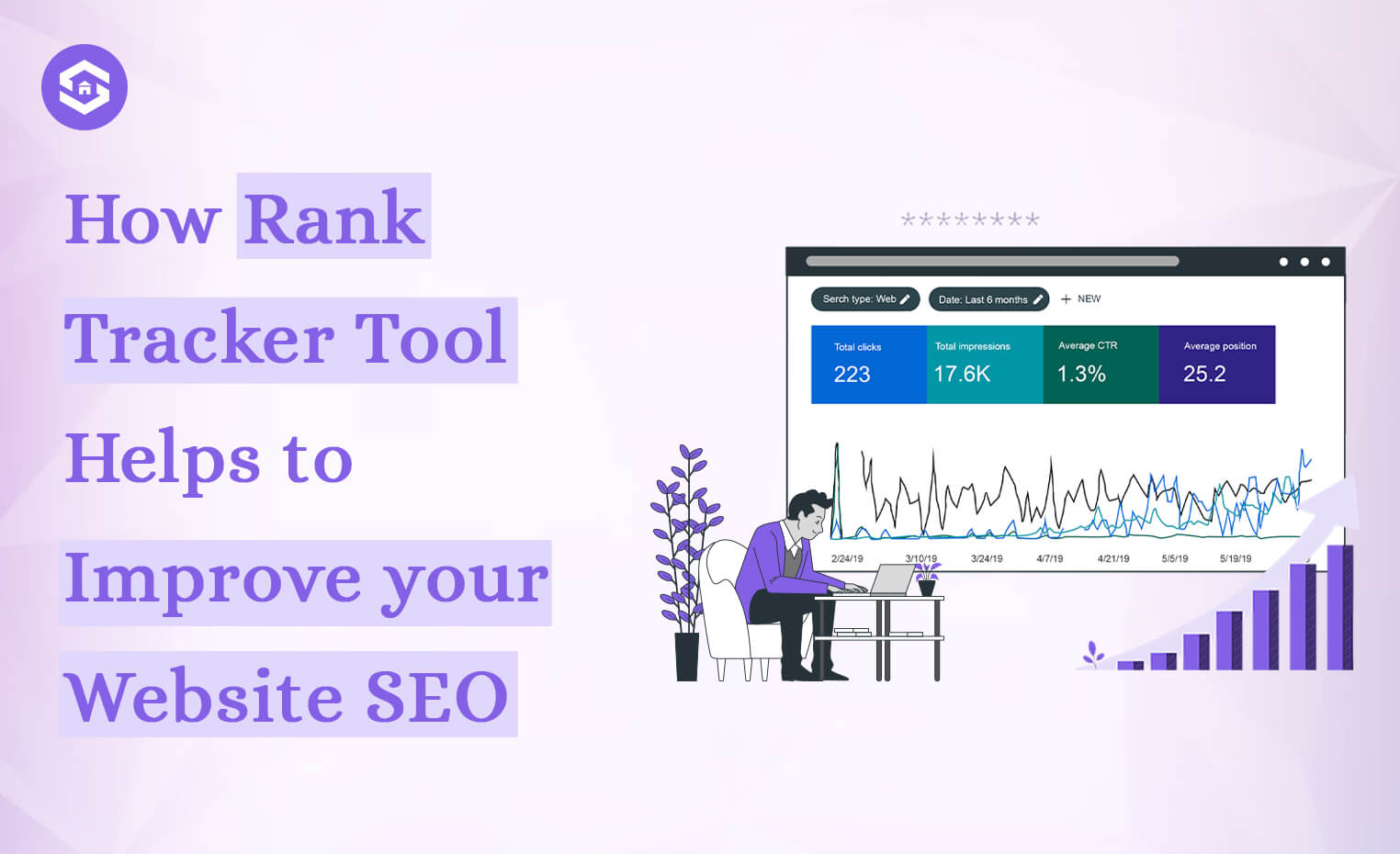
A rank tracker tool shows where your website appears on Google for specific keywords. Instead of manually checking results every day, a keyword rank tracker automatically monitors your positions and shows how they move over time. Whether you’re using a Google ranking tracker or a keyword rank checker tool, the goal is simple: understand what’s working and what’s not.
It helps you track keyword rankings Google-wide, spot ranking drops early, and improve your content before traffic starts slipping. A reliable SERP tracking tool also gives insights into competitors, so you’re not operating blind.
In short, SEO rank monitoring and keyword position tracking are not optional anymore; they’re the foundation of any serious growth strategy.
Why Tracking Keyword Rankings Still Matters in 2026
Search has changed a lot. AI overviews, zero-click results, and personalized SERPs are now part of the game. But one thing is still true: rankings decide whether your content gets seen or ignored.
A modern rank tracker is not just about checking positions. It helps you understand movement. Rankings shift constantly based on search intent, competition, and algorithm updates. Using a keyword rank tracker or a Google ranking tracker helps you catch these changes early, before they impact your traffic.
Why it still matters
Visibility drives traffic: Higher rankings still bring the majority of clicks. A Google ranking checker shows where you are gaining or losing visibility.
Better decisions with real data: With proper SEO rank monitoring, you can focus only on pages that need improvement instead of guessing.
Understand your competition: A strong SERP tracking tool shows who is outranking you and helps you identify gaps.
Measure what works: With keyword position tracking, you can clearly see if your SEO efforts are improving results.
In 2026, SEO is not about doing more. It is about tracking smarter and acting faster.
Key Features to Look for in a Keyword Rank Tracker Tool
Choosing a rank tracker tool isn’t about picking the most popular name. It’s about picking the one that actually gives you usable data. After working on large SEO projects, one thing is clear: most tools look similar on the surface, but only a few actually help you make decisions.
What actually matters in a keyword rank tracker
Accurate and real-time ranking data
Your keyword rank tracker should show precise positions across locations and devices. Daily or real-time updates are critical to catch sudden drops or gains.
Multi-location and device tracking
A solid google ranking tracker must track rankings by country, city, mobile, and desktop. Rankings vary more than people think.
Competitor tracking and SERP insights
A good SERP tracking tool shows who’s ranking above you and why. Without competitor data, you’re missing half the picture.
Historical data and trend analysis
You need to see progress over time, not just current rankings. Strong SEO rank monitoring tools help identify patterns and long-term growth opportunities.
Keyword grouping and reporting
A proper keyword rank checker tool should allow grouping keywords by pages, topics, or campaigns and generate clear reports for analysis.
Integration with other SEO tools
The best tools connect with platforms like Google Search Console to give a complete view of performance.
1. SERPHouse
If you’ve worked on serious SEO campaigns, you already know one thing: most tools don’t fail because of features; they fail because of data limitations.
That’s where SERPHouse stands out.
Unlike a typical rank tracker tool, SERPHouse is built around raw SERP data access, not just a visual dashboard. It gives you direct API access to Google search results, which means you’re not restricted to predefined reports. You can track keyword rankings on Google exactly the way your workflow needs.
This becomes extremely useful when you’re handling large keyword sets, multiple locations, or building your own internal keyword rank tracker system.
What actually makes it strong is control. You can pull rankings, featured snippets, ads, News, and SERP features in real time. That level of flexibility is something most Google ranking tracker tools simply don’t offer.
Key Highlights
- Real-time keyword position tracking via API
- Scalable for bulk keyword tracking
- Access to structured SERP data
- Supports advanced SEO rank monitoring workflows
Where it fits best
SERPHouse is ideal if you’re running SEO at scale. Agencies, SaaS products, or teams that want to build their own SERP tracking tool logic will benefit the most.
2. Scrapefly
Now, once you move beyond basic tracking, the real challenge isn’t checking rankings, it’s collecting clean data at scale without getting blocked. That’s exactly where Scrapefly comes in.
Scrapefly isn’t a traditional rank tracker tool, but in advanced SEO setups, that’s actually an advantage. It gives you a powerful scraping infrastructure that handles proxies, headless browsers, and anti-bot systems. In simple terms, it removes the biggest headache in building a reliable keyword rank tracker from scratch.
If you’re trying to track keyword rankings Google-wide across multiple locations or large keyword lists, Scrapefly gives you the foundation to do it without worrying about bans or inconsistent data.
Key Highlights
- Handles anti-bot systems and CAPTCHAs automatically
- Supports large-scale keyword position tracking
- Reliable data extraction for custom SERP tracking tool setups
- Flexible for building your own Google ranking tracker
Where it fits best
Scrapefly is built for teams that need scale. If you’re running bulk tracking, competitor monitoring, or building internal SEO systems, this tool supports serious SEO rank monitoring workflows.
3. ScraperAPI
Not every team wants to deal with complex scraping setups. Sometimes you just need something that works without spending hours managing proxies or handling blocks. That is where ScraperAPI fits in.
ScraperAPI acts as a middle layer between you and search engines. Instead of building infrastructure, you simply send requests and get clean data back. For many teams, this makes it a practical choice to build a keyword rank tracker without heavy technical overhead.
It works well when you want to track keyword rankings in Google results regularly and plug that data into your own system. Compared to other tools, it focuses more on simplicity and automation rather than deep SEO features.
Key Highlights
- Easy API integration with minimal setup
- Automatically handles proxies and anti-bot systems
- Reliable data for building a custom Google ranking tracker
- Supports consistent keyword position tracking
Where it fits best
ScraperAPI is ideal for startups and small to mid-sized teams that want to automate SEO rank monitoring without building everything from scratch. It is especially useful when you want to connect ranking data with internal dashboards or workflows.
4. Serper (Best for Fast Google Search Data Access)
Speed matters more than people think. When you are tracking hundreds or thousands of keywords, slow data quickly becomes a bottleneck. This is where Serper stands out.
Serper is designed to deliver fast and clean Google search results through the API. It is not overloaded with features, and that is exactly why many teams prefer it. You get structured SERP data quickly, which makes it easier to build a lightweight keyword rank tracker without unnecessary complexity.
If your goal is to track keyword rankings in Google results in near real time and plug that data into your system, Serper does the job efficiently. It focuses on performance and simplicity rather than trying to be an all-in-one SEO platform.
Key Highlights
- Fast response time for SERP data
- Clean and structured output for easier processing
- Reliable for consistent keyword position tracking
- Works well for building a custom google ranking tracker
Where it fits best
Serper is a strong choice for developers and SEO teams who want a simple and fast SERP tracking tool backend. It works well for projects where speed and stability matter more than advanced analytics.
5. SearchAPI (Best for Structured SERP Data)
Once you start working with raw SERP data, one problem shows up quickly. The data is messy. Cleaning and structuring it takes time, and that slows down your workflow. This is exactly where SearchAPI makes a difference.
SearchAPI focuses on delivering well-structured search results. Instead of spending time organizing raw responses, you get clean data that is ready to use. This makes it easier to build a reliable keyword rank tracker and focus directly on analysis.
If your goal is to track keyword rankings Google results and quickly turn that data into insights, structured output becomes a big advantage. It reduces development effort and improves consistency across your SEO rank monitoring process.
Key Highlights
- Clean and structured SERP data output
- Reduces time spent on data processing
- Reliable for consistent keyword position tracking
- Supports building scalable Google ranking tracker systems
Where it fits best
SearchAPI is a good fit for teams that care about efficiency. If you are building internal tools or dashboards, it helps you move faster without dealing with messy data. It works well for structured SERP tracking tool workflows.
6. Scrapingdog
Not every project has a large budget, and that is the reality. But that does not mean you have to compromise on data. Scrapingdog is built for teams that want reliable SERP data without high costs.
It gives you access to Google search results through a simple API, making it easier to build a basic keyword rank tracker without heavy investment. For many small teams, this is enough to track keyword rankings Google results and monitor performance consistently.
The strength of Scrapingdog is its balance between cost and usability. You can handle regular keyword position tracking and basic SEO rank monitoring without dealing with complex setups or expensive tools.
Key Highlights
- Affordable pricing for startups and small teams
- Simple API for quick integration
- Reliable data for building a Google ranking tracker
- Supports consistent SERP tracking tool workflows
Where it fits best
Scrapingdog is ideal for freelancers, small agencies, and early-stage products that need a working solution without spending heavily. It works well for basic to moderate tracking needs.
7. Serpstack
Sometimes you do not need a complex setup. You just need a simple way to collect SERP data and check rankings without overcomplicating the process. That is where Serpstack fits in.
Serpstack provides an easy way to access Google search results through the API. It is designed for simplicity, which makes it useful for building a basic keyword rank tracker or running smaller tracking workflows.
If your goal is to track keyword rankings in Google results without handling too many moving parts, Serpstack keeps things straightforward. It gives you the essential data needed for keyword position tracking and basic SEO rank monitoring.
Key Highlights
- Simple API with quick setup
- Lightweight solution for basic tracking needs
- Reliable data for building a Google ranking tracker
- Works well for small-scale SERP tracking tool use cases
Where it fits best
Serpstack is a good option for small projects, testing environments, or teams that want a minimal setup. It is useful when you need a working solution without investing time in complex systems.

How to Track Keyword Rankings on Google
If you strip it down, tracking rankings is not complicated. What most people get wrong is consistency and interpretation. The process is simple. Doing it right is where the difference shows.
Step 1: Choose the Right Tracking Method
Start with your setup. You either use a ready-made keyword rank tracker or build your own using SERP APIs.
If you are managing a few keywords, the tools work fine. But once you scale, using a SERP tracking tool with API access gives you better control over data.
The mistake most beginners make is relying on one-time checks instead of continuous tracking.
Step 2: Add Target Keywords with Intent
Do not just dump keywords into a tool. Group them based on pages or intent.
For example, if one page targets “rank tracker tool” and related variations, track them together. This gives clarity on whether that page is actually improving or not.
This is where proper keyword position tracking becomes useful. You are not just tracking keywords, you are tracking page performance.
Step 3: Set the Location and Device Properly
Rankings are not universal anymore. The same keyword can show different results based on city, country, or device.
Always define:
- Location (country or city level)
- Device (mobile or desktop)
A good Google ranking tracker should allow this. Without it, your data is misleading.
Step 4: Track Rankings Consistently
Checking rankings once a week is not enough. Movements happen daily.
Set up regular tracking so you can:
- Spot sudden drops early
- Catch trends before competitors upward
- Validate SEO changes quickly
This is the core of SEO Strategy. Without consistency, data loses meaning.
Step 5: Analyze Movement, Not Just Position
Most people focus only on the current rank. That is surface-level.
What actually matters:
- Is the keyword improving or declining
- How stable are the rankings
- Which pages are gaining visibility
A Google ranking checker gives positions. But your job is to understand the pattern behind those positions.
Step 6: Connect Rankings with Actions
Tracking alone does nothing. You need to act on it.
If rankings drop:
- Check competitors on the SERP
- Update content depth or intent match
If rankings improve:
- Strengthen internal links
- Expand content around that keyword
This is where tracking becomes strategy, not just reporting.
How to Choose the Right Google Ranking Tracker for Your Needs
Choosing a tool is not about features. It is about fit. The right rank tracker tool depends on how you actually work with data, not what looks good on a landing page.
Start by asking one simple question. Are you tracking for reporting or for decision-making?
If it is just reporting, a basic Google ranking checker will work. But if you are actively improving rankings, you need deeper SEO rank monitoring and reliable data over time.
What actually matters
- Accuracy over interface: Clean dashboards look good, but inaccurate data leads to wrong decisions.
- Scalability: If you plan to grow, your SERP tracking tool should handle more keywords, locations, and devices without breaking.
- Data control: Advanced teams prefer tools that allow custom workflows instead of fixed reports.
Final Thoughts
The best rank tracker tool is the one that matches your workflow, provides accurate keyword position tracking, and scales with your needs. For advanced users, tools with API access offer better control, while simpler tools work for basic SEO rank monitoring.
There is no single best choice. It depends on how serious you are about SEO.
If you just want to check positions occasionally, almost any basic Google ranking checker will do the job. But if you are working on real growth, where decisions depend on data, you need something more reliable.
FAQs
Why is a rank tracker important for SEO?
A rank tracker helps you monitor keyword positions over time, making it easier to measure the impact of your SEO efforts and identify areas for improvement.
Can a rank tracker help analyse competitors?
Yes. Most rank tracking tools let you compare your rankings with competitors and discover keywords where they are outperforming you. This can reveal new opportunities for content and optimisation.
How often should I check my keyword rankings?
Daily or weekly tracking is usually enough. Regular monitoring helps you spot ranking changes early and understand how updates to your site affect visibility.
What metrics should I monitor besides keyword rankings?
In addition to rankings, pay attention to search visibility, organic traffic, click-through rates, featured snippets, and competitor performance to get a clearer picture of your SEO progress.