Table of Contents
Table of Contents
Tracking rankings used to be simple when SEO teams worked with small keyword lists and occasional reports. That is no longer the case. As websites grow, search behavior shifts faster, and SERPs become more dynamic, manual rank checks start creating delays, gaps, and incomplete visibility.
This is why Automated SERP Tracking has become an important part of modern SEO workflows. Instead of relying on one-time checks, teams can monitor ranking movement more consistently, respond faster to changes, and work with cleaner search data across campaigns.
Why Rank Tracking Breaks Before Most Teams Notice
Most SEO teams do not feel ranking problems early. They usually notice them after traffic drops, reporting gaps appear, or keyword movement no longer makes sense.
The real issue is scale. A tracking process that works for a small keyword list often breaks quietly as campaigns grow. That is where Automated SERP Tracking becomes less about convenience and more about maintaining reliable visibility.
When 20 keywords turn into 2,000
At first, manual tracking feels manageable.
Checking 10 to 20 keywords in a spreadsheet or SEO tool may take only a few minutes. But when that expands into hundreds or thousands of terms across product pages, blogs, local pages, and campaigns, the workflow starts breaking.
Teams often face:
- Missed ranking changes
- Delayed reporting updates
- Incomplete keyword coverage
Instead of seeing full ranking behavior, they start tracking isolated pieces of SEO performance.
Why spot-check rankings create false confidence
A single keyword check can look reassuring. That is often the problem.
If a page ranks #4 today, teams may assume visibility is stable. But rankings shift frequently based on location, device, search intent, and SERP layout.
A spot check only shows one moment. It does not show whether that keyword dropped yesterday, fluctuated during the week, or disappeared in another region.
That creates reporting confidence without real ranking certainty.
The hidden cost of delayed ranking visibility
Late data usually leads to late decisions.
When ranking changes are detected after days instead of hours, SEO teams lose response time during algorithm updates, competitor pushes, or search volatility.
The cost usually shows up in:
- Slower optimization
- Weaker search performance tracking
- Missed ranking opportunities
- Poorer campaign adjustments
The biggest breakdown is not ranking loss itself. It is realizing the change after the impact has already started.

What Automated SERP Tracking Actually Changes
The biggest shift is not just speed. It is consistency.
Manual SEO monitoring often depends on one-time checks, spreadsheets, and delayed reporting. Automated tracking changes that by turning ranking checks into repeatable workflows that capture data more consistently over time.
That gives SEO teams clearer ranking visibility instead of fragmented snapshots.
Replacing manual SEO monitoring with repeatable workflows
Manual tracking usually works in short bursts. Someone checks rankings, updates reports, then reviews changes later. The problem is that this process depends heavily on time, accuracy, and consistency.
With automation, ranking checks become part of a repeatable workflow.
Instead of checking keywords one by one, systems can continuously monitor rankings across devices, locations, and keyword groups.
That improves workflow quality in areas like:
- Daily serp monitoring
- Ongoing keyword rank tracking
- Multi-page SEO reporting
- Large campaign visibility tracking
The focus shifts from collecting rankings manually to reviewing useful data faster.
Why automation improves ranking accuracy over time
One-time rank checks often miss fluctuation patterns.
A keyword may rank #5 in the morning, drop to #8 after a competitor update, then recover later. Manual checks usually capture only one version of that movement.
Automation improves long-term accuracy because it tracks patterns instead of isolated positions.
That helps teams understand:
- Ranking volatility instead of static positions
- Search behavior changes instead of delayed assumptions
- Position tracking workflow issues before reporting gaps grow
- Organic ranking insights across larger keyword sets
Better accuracy usually comes from repeated tracking, not single checks.
Where Manual Rank Tracking Starts Failing
Manual rank tracking usually does not fail all at once. It starts with small gaps that seem harmless, then grows into unreliable reporting, delayed decisions, and incomplete visibility.
For small keyword lists, manual workflows may feel manageable. But as SEO campaigns expand, those systems often struggle to keep ranking data clean and useful.
Spreadsheet dependency and fragmented reporting
Spreadsheets are useful for organizing data, but they are weak for ongoing SEO tracking.
When rankings are updated manually, reports often become outdated, duplicated, or inconsistent across teams. One file may show old keyword positions while another reflects partial updates.
This usually creates:
- Broken reporting consistency
- Delayed SEO reviews
- Missed ranking changes
- Poor visibility across campaigns
Instead of one reliable view, teams work with fragmented ranking data.
Device, location, and SERP variation problems
Search rankings are rarely identical for every user.
A keyword may rank differently on mobile, desktop, or across cities. SERP layouts can also change because of local packs, featured snippets, videos, or ads.
Manual checks often ignore these differences.
So a keyword that appears strong in one search may perform weaker somewhere else. That creates false reporting confidence and weakens ranking visibility.
Missing short-term ranking movement and volatility
One of the biggest failures in manual tracking is timing.
Short ranking drops or gains often happen between checks. If teams review rankings weekly or only during reporting cycles, they can miss fast changes caused by algorithm shifts, competitor updates, or SERP volatility.
That affects search performance tracking because the real issue is not only ranking movement. It is missing the movement while it happens.
How Real-Time SERP Tracking Works Behind the Scenes
Real-time rank tracking is built around collection, processing, and interpretation. The goal is not to keep checking rankings manually, but to create a system that captures search changes as they happen and turns them into usable SEO data.
Query collection and keyword monitoring automation
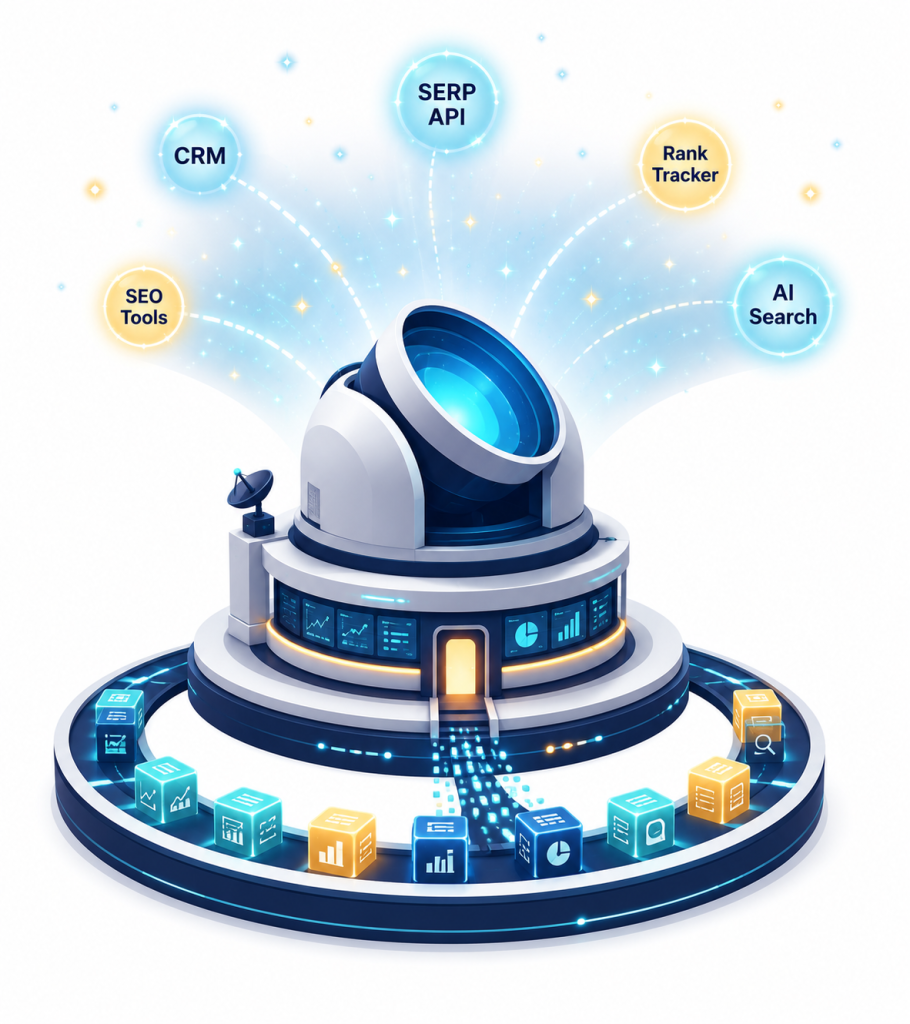
Tracking starts with a defined keyword set. Teams usually group keywords by product pages, categories, local intent, or campaign targets.
Instead of checking each term manually, systems schedule recurring requests based on rules like keyword, device, and location.
A simple workflow often looks like:
Keyword Input → Search Request → Result Capture → Data Storage
That creates a cleaner position tracking workflow without depending on repeated manual effort.
Capturing live ranking changes across SERPs
Once requests run, ranking positions are collected directly from live search environments.
This helps teams identify movement that often gets missed in delayed reviews, such as sudden drops, temporary gains, or competitor shifts.
Common live signals include:
- Position changes
- Competitor entry or exit
- SERP layout movement
- Local ranking variation
This is where real-time rank tracking becomes useful because ranking behavior is measured while changes are happening.
Structuring ranking data for analysis and alerts
Collected results are then organized into usable fields like keyword, URL, position, location, and timestamp.
That structure makes SEO data easier to compare, filter, and analyze across campaigns. It also supports automated alerts when major ranking shifts happen.
Instead of reviewing scattered rankings, teams work with structured serp monitoring data that is easier to use for reporting and decision-making.
Why Automation Changes SEO Team Workflows
SEO teams usually don’t struggle with strategy first. They struggle with time.
As keyword lists grow, reporting becomes heavier, rankings need closer attention, and manual checks quietly start slowing everything down. Automation changes workflows because it removes repetitive tracking work and lets teams focus more on decisions, analysis, and faster action.
Faster reporting for agencies and clients
Anyone managing SEO reports manually knows how quickly this becomes frustrating.
Pulling rankings from multiple campaigns, updating sheets, verifying drops, and preparing client reports can take hours. When tracking is automated, ranking updates are already organized before reporting even starts.
That means agencies spend less time building reports and more time explaining what changed and why it matters.
Cleaner monitoring across large keyword sets
Small keyword lists are easy to control. Large ones are messy.
A growing SaaS company, ecommerce brand, or agency may track thousands of terms across categories, landing pages, and local campaigns. Without structure, data starts feeling scattered.
Automation keeps keyword rank tracking cleaner by making large keyword groups easier to follow, compare, and review without creating reporting confusion.
Better response time during updates or traffic drops
Traffic drops rarely wait for weekly reporting.
If rankings shift after an update or competitor push, slow detection usually means slower recovery. Automation helps teams catch unusual movement earlier and investigate before performance loss becomes larger.
That practically changes the workflow: less time hunting for ranking issues, more time fixing them.
Where APIs and Automation Fit into Modern Rank Tracking
As SEO operations grow, tracking rankings manually becomes harder to maintain. The challenge is no longer only checking positions. It is moving ranking data into systems where teams can actually use it.
That is where APIs and automation start becoming part of everyday SEO workflows.
Feeding ranking data into dashboards and SEO tools
Ranking data becomes more useful when it does not stay isolated in spreadsheets.
Many SEO teams connect SERP data directly into reporting dashboards, internal tools, or performance systems. This helps teams compare ranking movement with traffic, impressions, and campaign changes in one place.
For example, an agency may review keyword movement beside client traffic trends instead of checking separate reports.
That creates stronger visibility and faster reporting decisions.
Reducing manual analysis across recurring workflows
A large part of SEO work is repeated analysis.
Teams often review the same keyword groups, track competitor movement, compare ranking changes, and check performance drops across recurring reporting cycles. Doing that manually creates extra review time.
Automation reduces that repetitive work by making ranking updates easier to collect and analyze. Instead of rebuilding reports every week, teams can focus on pattern analysis and SEO decisions.
The shift is small but practical: less manual checking, more useful analysis.
Supporting large-scale position tracking workflow
Scale changes how SEO tracking works.
A business monitoring thousands of keywords across categories, products, or local pages needs cleaner systems than manual rank checks. APIs support this by helping teams move ranking data into structured workflows.
That often supports:
- Large keyword segmentation
- Historical ranking comparisons
- Ongoing SERP monitoring
- Cleaner position tracking workflow across campaigns
At scale, automation becomes part of SEO infrastructure, not just a reporting shortcut.
Final Thoughgt
SEO performance is no longer about checking rankings once in a while. It is about understanding movement, spotting changes early, and making better decisions from reliable data.
A structured approach to serp monitoring helps teams reduce manual work, improve tracking accuracy, and manage larger keyword sets without losing visibility. As SEO becomes more data-driven, automation is not replacing strategy. It is helping teams execute it with better speed, clarity, and consistency.